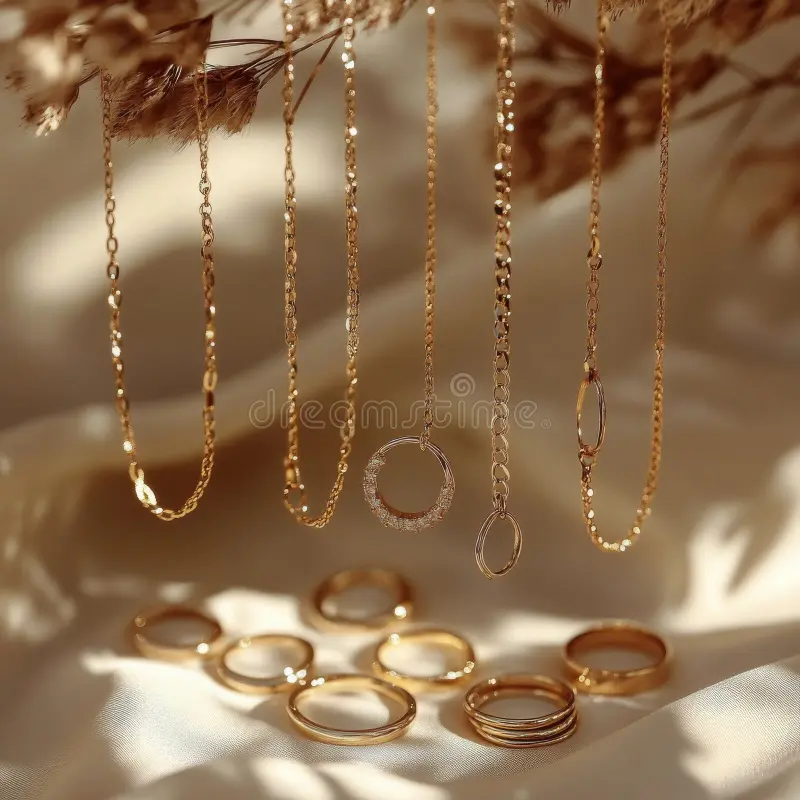
Shopping for gold jewellery? If you've ever found yourself scratching your head over terms like 14k, 18k, or 22k, you're in good company. Whether you're a seasoned collector or searching for your first piece, understanding what "karat" means—and how it affects your jewellery's appearance, durability, and value—can make all the difference. Let's break down the essentials, making your next gold jewellery purchase as informed (and confident!) as possible.
Why Gold Purity Really Matters in Gold Jewellery
Gold jewellery holds a special place in many lives. It's not just about sparkle—it's about meaning. Maybe you wear a gold ring passed down from your grandmother, or perhaps a simple chain marks a milestone or a memory. But beyond its sentimental value, understanding gold purity gives you clarity on what you're actually getting. After all, the difference between 14k and 22k gold goes far deeper than a number and can impact your everyday experience.
Take, for example, someone choosing a wedding band: durability matters as so much as the gold's beautiful shine. Or picture gifting gold jewellery for a birthday, where tradition and style meet. Gold purity shapes these choices, from the price tag to the piece’s lasting power.
Decoding Karats: What Do 14k, 18k, and 22k Mean?
Karat (often written as "k" or "kt") is simply a measure of gold purity. “Pure” gold is 24 karats—think 100% gold, no other metals. But as lovely as that sounds, pure gold is quite soft and impractical for most gold jewellery. That’s where alloying comes in: mixing gold with metals like silver, copper, or zinc to adjust its strength and color.
Here’s what each common karat rating means:
- 14k Gold: Contains roughly 58% gold, with the rest made up of other metals. It's durable and perfect for everyday pieces.
- 18k Gold: Contains around 75% gold. Richer yellow hue and a balance between luxury and toughness.
- 22k Gold: At approximately 92% gold, this is as close to pure as you can wear without the piece becoming too soft for daily use. High value, intensely yellow, but best for occasional wear.
This mix affects not just how your jewellery looks and feels but also how it will stand up to daily life.
How Gold Purity Impacts Appearance, Durability, and Value
The magic of gold jewellery is its beauty, but the karat rating quietly shapes every detail:
- Appearance: Higher karats tend to be more vibrantly yellow and have a softer shimmer. Lower karats may appear paler or have a slight reddish or white tint from alloy metals.
- Durability: Less pure gold (like 14k) is stronger, resists scratches, and lasts longer. Pure gold (22k and up) feels luxurious but can be prone to denting or bending.
- Value: More gold generally means higher value, but the price isn’t everything. It’s about finding your personal sweet spot between aesthetics and practicality.
When considering gold jewellery, think about how you’ll wear it. For daily use—like rings or bracelets—14k or 18k often make the most sense. For statement pieces or cultural occasions, 22k gold might be just right.
Comparing Karats in Gold Jewellery: Which Is Best?
There’s no universal “best” karat for gold jewellery—it's about lifestyle and taste. Here are some relatable scenarios:
- If you want a classic engagement ring for daily wear, 14k’s durability edges out higher karats.
- For an elegant necklace that mix sparkle with traditional warmth, 18k gold is often chosen for its rich color.
- For cultural or celebratory pieces (especially in many Asian or Middle Eastern households), 22k gold remains a staple.
You might also find white or rose gold options. These aren’t higher or lower in purity but simply use different alloy metals to adjust the hue—for instance, white gold employs palladium or nickel, while rose gold includes copper.
Practical Styling Tips for Gold Jewellery
Styling gold jewellery is more fun when you know what works for your gold purity. Here are two handy tips:
- Pair 14k gold pieces with your daily outfits—they’re less likely to scratch or deform and match almost any style.
- Save 18k and 22k gold for special events, especially if you cherish their richer color and softness. These are perfect for high-impact, dress-up looks.
The beauty of gold jewellery lies in how it can shift from understated to bold, depending on karat and design.
Smart Tips for Buying Gold Jewellery
Before you splurge, here’s what to look for when choosing gold jewellery—making your investment not just beautiful, but smart:
- Check the Hallmarks: Reliable sellers mark their jewellery with karat stamps (like “14k”, “18k”, or “22k”) and often include certified paperwork.
- Ask About Sustainability: More jewellers are embracing recycled gold and ethical sourcing—worth considering if you care about environmental impact.
- Think About Maintenance: Higher karat pieces need gentler cleaning and careful storage. Ask for advice on upkeep, especially for heirloom items.
Don’t hesitate to ask questions in the store. Experienced jewellers understand that clarity leads to confidence; they'll walk you through the trade-offs between karats, explain pricing, and offer insights about trends and traditions. If shopping online, read reviews and check return policies carefully.
Conclusion: Finding Your Gold Jewellery Sweet Spot
Gold jewellery is more than a pretty accessory—it’s history, celebration, and style wrapped around your finger or wrist. Understanding the difference between 14k, 18k, and 22k gold helps you choose wisely, balancing elegance, durability, and personal meaning.
Ready to pick your piece? Take your time, ask questions, and consider how each karat fits into your lifestyle. Whether you’re marking a milestone, treating yourself, or gifting a loved one, your knowledge turns shopping from confusing to empowering. Here’s to finding gold jewellery that looks amazing and feels right for you—now, and for years to come.
Frequently Asked Questions
Explore Trending Fashion & Haldi Jewellery
Discover premium handmade floral, resin & seashell jewellery sets with matching hathphool, earrings & maang tikka.
Tanisha
Jewellery Styling ExpertCurating handcrafted floral jewellery, trending accessories, and expert styling guides for festive celebrations and everyday fashion.